


Offshore Fishing Success Stories Tips for Catching Lane Mangrove Red Snapper and More

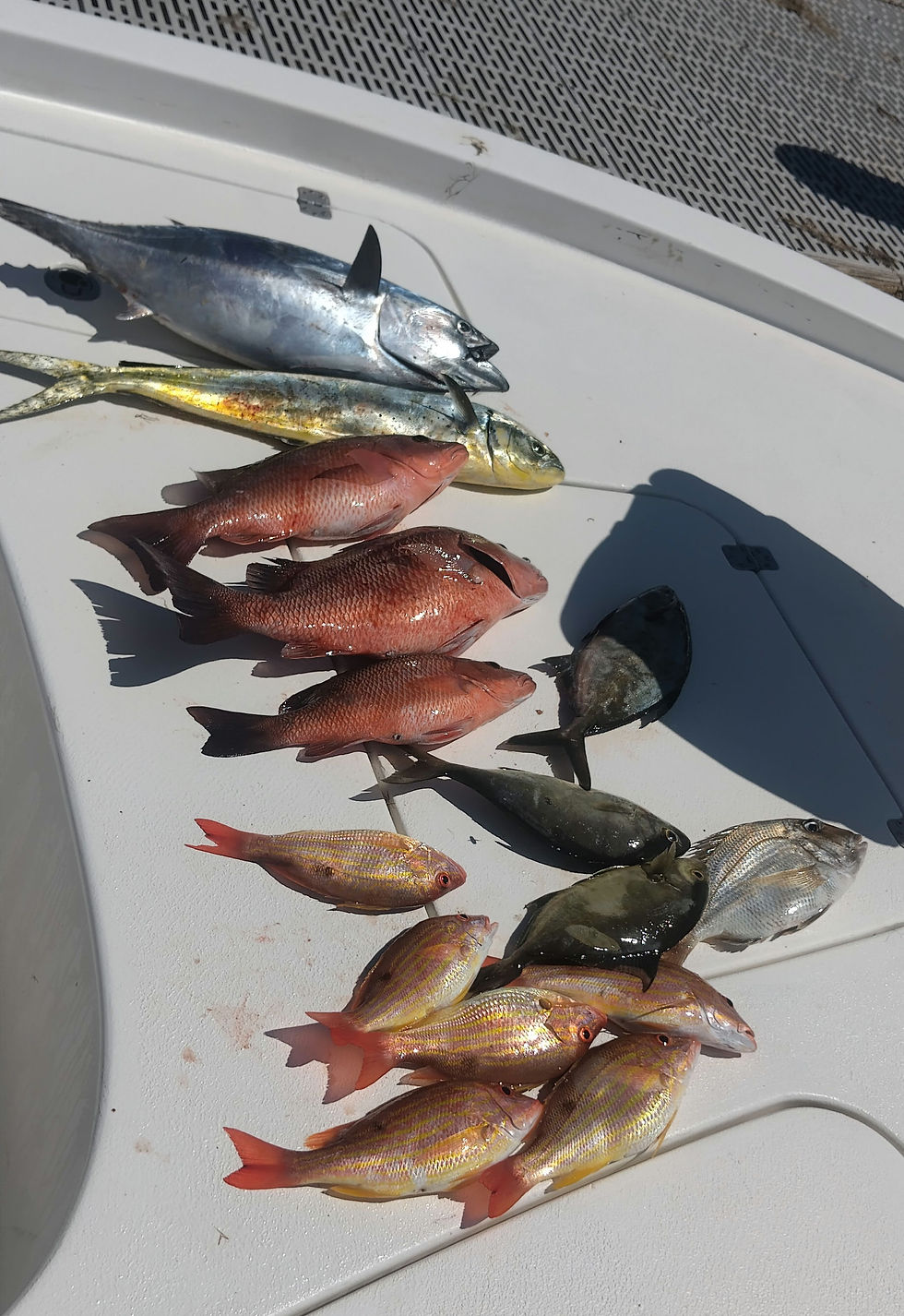
Offshore fishing has been delivering some exciting results lately, with anglers bringing in an impressive variety of fish. From the vibrant lane snapper to the powerful kingfish, the diversity of catches shows just how rewarding offshore trips can be. Whether you are a seasoned angler or just starting out, understanding the different species and the best techniques to catch them can boost your success on the water.
Variety of Fish Caught Offshore
The recent offshore fishing trips have highlighted a broad range of species, each with unique behaviors and habitats. Here’s a closer look at some of the most commonly caught fish and what makes them special:
Lane Snapper
Known for their striking yellow stripes and red spots, lane snapper are often found near reefs and wrecks. They are relatively small but fight hard, making them a favorite among anglers.
Mangrove Snapper
These fish prefer structures like mangroves and rocky bottoms. Mangrove snapper are aggressive feeders and provide a good challenge, especially when caught on live bait.
Red Snapper
One of the most prized catches, red snapper grow larger and are found in deeper waters. Their firm, white flesh is highly sought after for cooking.
Grouper
Groupers are strong, bottom-dwelling fish that often lurk near reefs. They require heavy tackle due to their size and strength.
Kingfish
Also called king mackerel, these fast swimmers are known for their speed and power. They often chase fast-moving lures or live bait near the surface.
Mahi
Brightly colored and fast, mahi-mahi are a thrilling catch. They tend to hang around floating debris or weed lines.
Almaco Jacks
These large jacks are found near reefs and wrecks. They are strong fighters and can be caught using both live bait and lures.
Black Seabass
Black seabass prefer rocky bottoms and structures. They are smaller but provide excellent table fare.
Bluefish
Known for their aggressive feeding habits, bluefish are often caught near the surface and put up a strong fight.
Effective Techniques for Offshore Fishing
Success offshore depends heavily on using the right techniques for the target species and conditions. Two methods have proven particularly effective:
Bottom Fishing
Bottom fishing involves dropping baited hooks near the ocean floor where many species like snapper, grouper, and black seabass dwell. Here are some tips to improve your bottom fishing:
Use heavy tackle to handle strong fish and rough bottom conditions.
Choose natural baits such as squid, cut fish, or live bait to attract bottom feeders.
Fish near structures like reefs, wrecks, or rocky outcrops where fish tend to gather.
Be patient and let the bait sit near the bottom, occasionally moving it to trigger strikes.
Freelining
Freelining is a technique where live bait is allowed to swim freely without weights, making it appear natural to predatory fish. This method works well for species like kingfish, mahi, and almaco jacks. Tips for freelining include:
Use a light leader and minimal tackle to avoid spooking the fish.
Choose lively bait such as small fish or shrimp.
Keep the boat moving slowly or drifting to cover more water.
Watch the line closely for subtle bites or changes in tension.
Tips for Anglers to Improve Catch Rates
Improving your offshore fishing success involves more than just technique. Here are some practical tips to help you catch more fish:
Know the Species
Research the habits, preferred habitats, and feeding times of your target fish. For example, red snapper often bite better during early morning or late afternoon.
Use the Right Gear
Match your rod, reel, and line strength to the species you want to catch. Heavy tackle is essential for grouper and kingfish, while lighter gear works for snapper and seabass.
Bait Selection
Fresh, natural bait usually outperforms artificial lures for many offshore species. Live bait is especially effective for freelining.
Check Weather and Tides
Fish activity often correlates with tides and weather conditions. Plan your trip around favorable tides and calm seas for better results.
Stay Mobile
If one spot isn’t producing, don’t hesitate to move. Offshore fish can be spread out, so covering more ground increases your chances.
Observe Other Boats
Watching where other anglers are catching fish can provide valuable clues about productive areas.
Practice Patience
Offshore fishing requires time and persistence. Don’t rush your casts or moves; let the fish come to your bait naturally.
Inspiring Offshore Fishing Adventures
Many anglers have shared stories of their recent offshore trips filled with excitement and big catches. One group reported landing multiple red snapper and groupers near a reef, using bottom fishing with fresh squid bait. Another angler caught a fast kingfish by freelining live bait near floating debris, enjoying the thrill of the fight.
These successes show that with the right knowledge and techniques, offshore fishing can be both rewarding and fun. Whether you aim for the colorful lane snapper or the powerful mahi, the ocean offers plenty of opportunities.


Comments